Mobile App Development: Cost, Process, Platforms & How to Choose a Developer
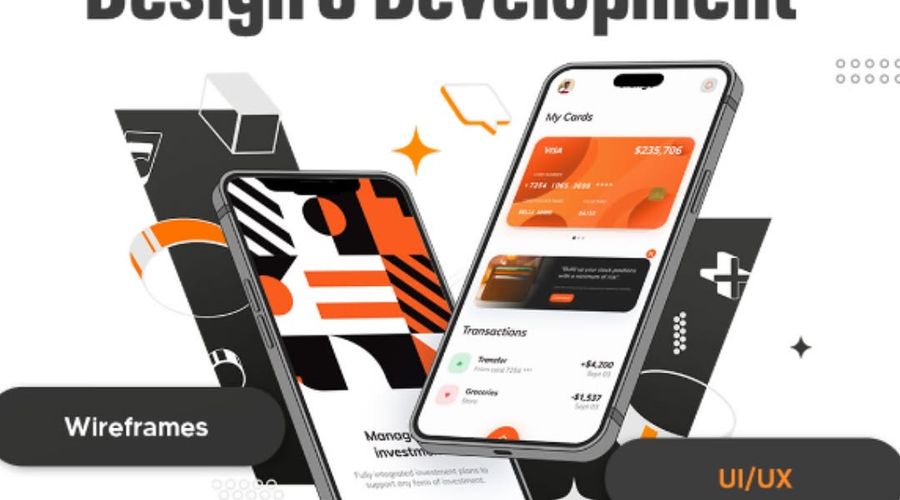
Every business with a mobile app idea eventually asks the same handful of questions: How much will this cost? How long will it take? Should it be native or cross-platform? And, most importantly - who can actually be trusted to build it right? This guide walks through what you actually need to know before starting a mobile app development project, and what separates a development partner worth trusting from one that just talks a good game.
Why Custom Mobile App Development Matters
Off-the-shelf tools and website builders can only take a business so far. The moment your product needs its own workflows, its own user experience, or integrations specific to how your business actually runs, custom mobile app development becomes the difference between software that fits your business and software your business has to awkwardly fit around.
A custom-built app gives you full ownership of the user experience, the flexibility to add features as your business grows, and - critically - a product that's actually yours, not a rented template with someone else's limitations baked in. Mobile apps are often just one piece of a larger digital puzzle too - many businesses pair app development with broader custom software services like web platforms, backend systems, or UI/UX design, so the whole product ecosystem works together.
Native vs. Cross-Platform: The Question Everyone Asks First
This is usually the first real decision point, and there's no universally "right" answer - it depends on your goals.
Native app development (building separately for iOS and Android using their own languages and tools) tends to deliver the smoothest performance and the deepest access to device features. It's often the right call for apps that lean heavily on graphics, hardware integration, or platform-specific experiences.
Cross-platform app development (building once, deploying to both iOS and Android from a shared codebase) is usually faster to market and more cost-effective, especially for startups and SMEs that need to launch, test, and iterate quickly. Modern cross-platform frameworks have closed the performance gap significantly - for most business apps, users won't notice the difference.
A good mobile app development company won't push you toward whichever approach is easier for them - they'll ask about your goals, timeline, and budget first, and recommend accordingly.
How Much Does Mobile App Development Cost?
There's no honest single number here - and any company that gives you one before understanding your project is guessing. Cost depends on a few real factors:
- •Complexity - a simple booking app costs far less than a platform with real-time data, payments, and user-generated content
- •Platform choice - native (both iOS and Android separately) generally costs more than a single cross-platform build
- •Design depth - custom UI/UX work takes more time than using existing design patterns
- •Backend requirements - apps needing their own servers, databases, and APIs cost more than simple front-end apps
- •Post-launch support - ongoing maintenance, updates, and scaling should be budgeted for, not treated as an afterthought
The right approach is a scoping conversation before a quote - a development partner who asks detailed questions about your actual product before naming a price is a good sign; one who quotes instantly, without asking anything, usually isn't.
How Long Does It Actually Take?
Most custom mobile apps move through a similar set of phases: discovery and planning, UI/UX design, development (usually in sprints), testing and QA, and launch - followed by ongoing support. A straightforward app might move through this in a matter of weeks; a more complex platform with real-time features, payments, or heavy integrations can take several months. Anyone promising a fully custom, production-ready app in days is either overselling the timeline or underselling the product.
What to Look for in a Mobile App Development Partner
Before committing to any team, a few things are worth checking:
- •A real, live portfolio - not just mockups or concept designs, but apps actually available on the App Store or Google Play
- •End-to-end capability - design, development, testing, and post-launch support, not just one slice of the process
- •Clear communication - a partner who explains technical trade-offs in plain language, not just jargon
- •Evidence over promises - named clients, real products, specific outcomes, rather than vague claims of being "the best"
Why Businesses Choose Ole Technologies
We'd rather show this than just claim it. Ole Technologies has built and shipped real, live mobile products - including Teelink, a golf community platform on both the App Store and Google Play, and Wavu Sports Network, a connected football and basketball ecosystem spanning web and mobile. You can see the full range of what we've built in our portfolio. We've also partnered with established organizations like KRA and Safaricom on custom software work, backed by 5+ years of hands-on development experience.
That combination - real shipped products plus enterprise-level partnerships - is what a trustworthy mobile app development company should be able to point to, not just say. If you're curious what this looks like applied specifically to sports and competitive platforms, we've written more about that in our guide to sports app development.
Ready to Build?
Whether you're scoping your first mobile app or looking for a development partner who can take an existing product further, Ole Technologies offers end-to-end mobile app development - from initial strategy through design, development, and long-term support.
Get in touch to talk through your app idea, or explore our Mobile Apps services to see how we approach custom mobile development.
Ole Technologies is a software and mobile app development company building custom digital products for startups, SMEs, and enterprises.